ADVANCE CARE PLANNING
Patients deserve to have their wishes documented clearly.Providers should have the tools to fulfill them.
A physician sends a referral, and the patient names a health care decision maker and describes what matters to them in their own words. A MOLST is produced where it applies, and the finished document is stored and retrievable by the clinicians who need it.
the problem
It fails twice. Most patients never finish an advance directive, and when one does exist, the clinician standing at the bedside often cannot find it, trust it, or act on it.
Both failures land in the same place. When a patient's wishes are undocumented or unreachable, surrogate decision-making increases, unwanted interventions occur, ICU family burden rises, and quality measure performance suffers.
Medicare enrollees, per 100
And when a document does exist
64%
of U.S. adults have no advance directive on file
Yadav et al., Health Affairs 2017
$3,237
average savings per hospital admission with advance care planning
May et al., JAMA Intern Med 2018
Adults with an advance directive
64% have none on file. Yadav et al., Health Affairs 2017
Not a study result and not a measured outcome. This is anchor's own estimate of how many referred patients would finish, and no published figure supports it.
the shift
anchor starts the process with the physician rather than waiting for the patient to begin, and changes what comes out of it.
Patient self-initiation
Physician-initiated referral, finished on the patient's own time
A blank form of treatment checkboxes
A named health care agent, and the patient's wishes in their own words
Filed somewhere, findable nowhere
One current record, versioned and retrievable at the point of care
the platform
A physician refers the patient. The patient does the substantive work, and the physician confirms it.
This is what a physician sees: every patient referred for a directive, tagged by where they stand, on file, in progress, or awaiting signature. Open one and the detail view leads with who the patient named to speak for them and the statement they gave in their own words, then the sections completed, the language used, the filing state, and whether it was witnessed.
the work happens before the visit, not during it.
Clinicians we interviewed described advance care planning as a forty-five to sixty minute conversation that sometimes needs a second appointment, against a schedule with a fixed number of patients in it. anchor moves the long part of that conversation off the visit.
1
The referral takes seconds to send.
A physician sends it from the chart. Nothing new to schedule, and nothing added to the care team's work for the day.
2
The patient does the substantive work.
On a tablet in the waiting room before the visit starts, during the visit itself, or at home. The point is that it can be finished while the patient is still with you, rather than left as a code to act on later.
3
The visit becomes confirmation.
The physician reads what the patient already recorded, asks what still needs asking, and signs. The encounter starts most of the way finished instead of at the beginning.
2
Decision makers named
3
Questions in their own words
1
Current MOLST, versioned
15
Minutes to complete
$3,237 saved per admission, multiplied out
May et al., JAMA Intern Med 2018
Assumption, stated plainly
The totals below multiply one cited per-admission figure by a patient count. They assume every referred patient produces a full admission-level saving, which the study does not measure and does not claim. Outcome studies in this area have largely gone unfunded, so treat the rows as arithmetic on a single number rather than as a finding.
Per-admission figure is cited. Totals are anchor's arithmetic, not a study result.
what it produces
Three things come out of a completed session, listed in the order the clinicians we interviewed put them in.
FIRST
Most valuablea named health care agent, and a backup.
The most useful thing a patient can do is name the person who will speak for them, so anchor will not let the question go by unanswered. A patient either names someone, or says plainly that they are choosing not to, and the wizard records which of the two happened. Naming someone captures their relationship to the patient, how to reach them, when their authority takes effect, and a second person in case the first cannot be found.
UNDER MARYLAND LAW
When no agent has been named, Maryland generally does not permit life-sustaining treatment to be withheld or withdrawn unless the patient has been certified as meeting one of three narrow statutory conditions. Naming an agent is not paperwork. It is what makes the rest of the conversation actionable.
SECOND
what the patient would and would not accept, in their own words.
A checked box says do not intubate. It does not say why, and it is silent on the situation the form never listed. anchor records the patient's own account of what a good day looks like and what they would not want to live through, in language a clinician can reason from. Voice-first, so the words stay theirs.
WHY IT TRAVELS FURTHER
A clinician can reason from a sentence like “if I can still follow a conversation, that is enough for me” to a decision about months on a ventilator. A checkbox does not carry that, and it is easy to mistake a discrete data element for a certain one.
THIRD
a MOLST completed once, kept current, and findable.
Maryland already requires a MOLST when a patient transfers between health care facilities. anchor does not add another form to that stack. It carries the conversation the patient already had into the MOLST, timestamps it, and supersedes the prior version rather than sitting alongside it.
A STRUCTURAL PROBLEM
When a document is required at every transfer, a single patient can accumulate a stack of them across years and settings. Not everything is scanned, paper charts persist beside electronic ones, and locating the most recent form takes time that the mandate never funded.
how it fits into a clinician's day
Where the record lives, what keeps it accurate and reachable, and how a patient gets a straight answer while they work through it.
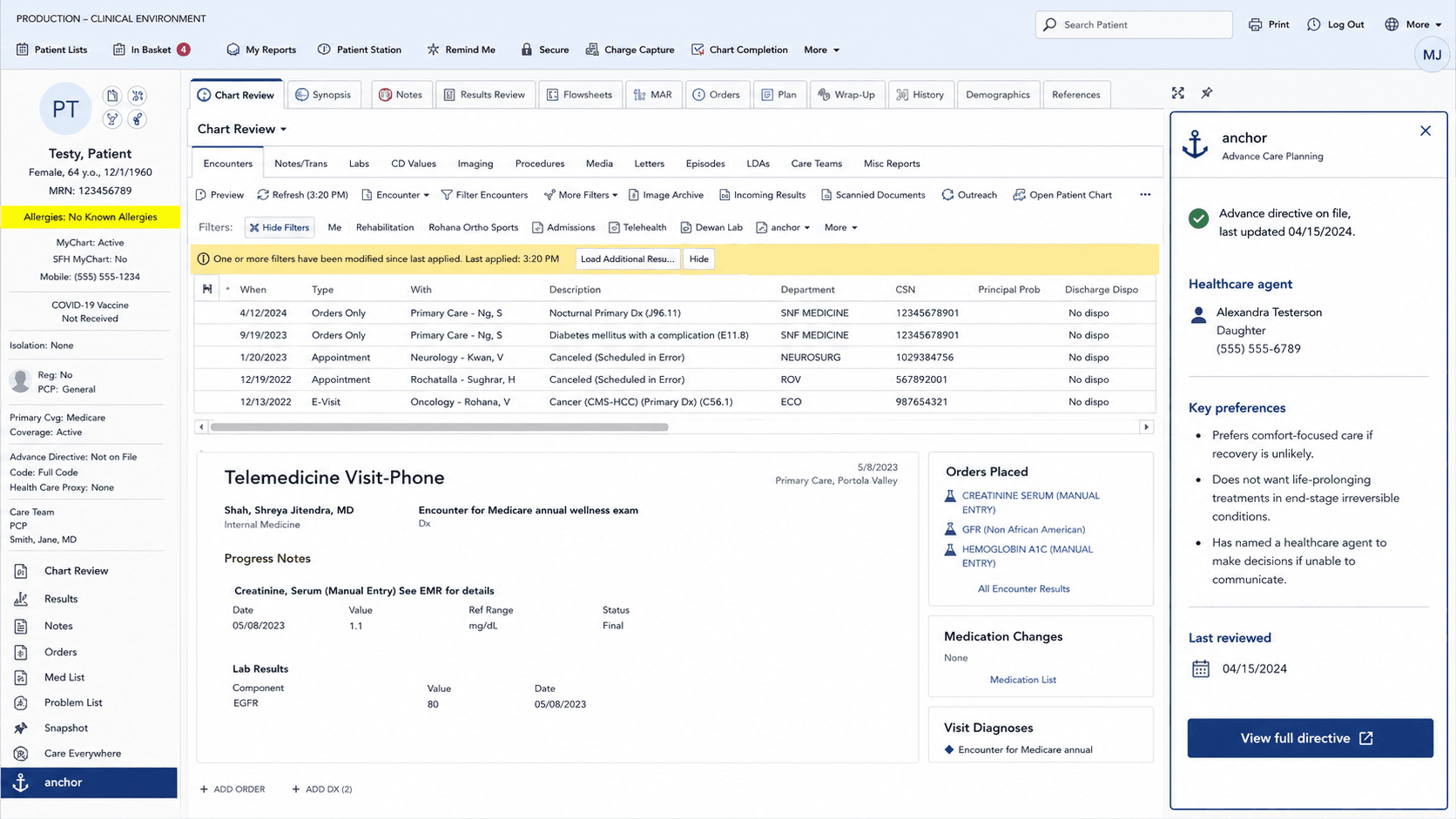
from the chart
anchor opens from inside the patient's chart in the EHR.
anchor runs inside the systems a clinician already uses. Opening it from a patient's chart carries that patient with it, so the directive is there without a separate login and without searching for the right record. The panel answers the questions actually being asked at the bedside: who did this patient name to speak for them, what did they say in their own words, and is the MOLST on file the current one.
and the rest of what it does
Supporting capabilities. Each one exists to keep the three above accurate, current, and reachable.
Timestamps and version history
Every change is dated, and the version that surfaces is the current one. Earlier versions stay in the record rather than competing with it.
One record, not four copies
Duplicate and conflicting documents are a large part of why a clinician cannot trust what they find. anchor keeps one current record per patient and updates it in place.
Linked patient and provider portals
The patient and their care team read the same record. Nothing has to be faxed, scanned, or re-entered to be shared between them.
EHR integration through SMART on FHIR
anchor is built to launch from inside the patient's chart and carry that patient with it, so the directive is where the clinician already works rather than behind a separate login.
Voice-first, in English and Spanish
The patients least likely to have a directive are the ones a dense English legal form serves worst. Speaking an answer is the default, not an accommodation added afterward.
explaining what a choice actually involves
Concepts a patient would not otherwise understand get explained in plain language, by an assistant built to answer clinical questions neutrally and without steering anyone toward a particular choice. Patients making these decisions often do not know what the interventions actually involve, and the clinicians we interviewed described spending much of these conversations correcting impressions people formed from television.
Where the line is
It does not make clinical judgments. It does not recommend what a patient should choose. It does not write the directive for them, and it does not replace the conversation with their physician. Every directive still goes to a clinician for review.
anchorPatient view
ExamplePick a question a patient might ask
If I have a feeding tube, will I still be able to watch baseball?
anchor assistant
A feeding tube delivers nutrition, so by itself it doesn't change whether you're awake, alert, or able to enjoy a game. What usually decides that is the condition that made the tube necessary in the first place. Some people have one for a short stretch while they recover and go back to their usual routines, and for others it's part of a longer decline where the illness itself limits what they can do. Since that depends on your own health, it's worth asking your doctor what they would expect in your case.
Illustrative example. These three exchanges are written for this page and are not live model output. Nothing here is a conversation with an assistant.
life changes. advance directives should too.
Maryland puts no expiration date on an advance directive. One signed decades ago is still legally valid, and nothing in the system asks whether it still says what the person would say today.
anchor stores a review date on every directive and surfaces a prompt inside the patient's portal as that date approaches, so a directive does not go silently stale. The same prompt is designed to reach the health care agent the patient named, so the person who will be asked to speak has seen the document before the day it matters rather than meeting it for the first time in a crisis.
What runs today, and what does not
The in-portal prompt to revisit a directive is live today. Reaching the named health care agent directly is part of anchor's design but not yet built: anchor sends no outbound messages in production, so that part of the design is recorded rather than acted on.
Anchoring a referral early keeps information retrievable when the crisis comes.
why it matters
What changes for a patient when a directive is already on file, compared with when it is not.
The same fifteen minutes, spent at two different points in time: long before a crisis, or in the middle of one.
With anchor, a short referral-to-completion window leaves the directive on file and retrievable. Without it, the same moment is lost to delay, confusion, and a rushed crisis response.
the product
The screens a patient moves through, from referral to a signed directive.
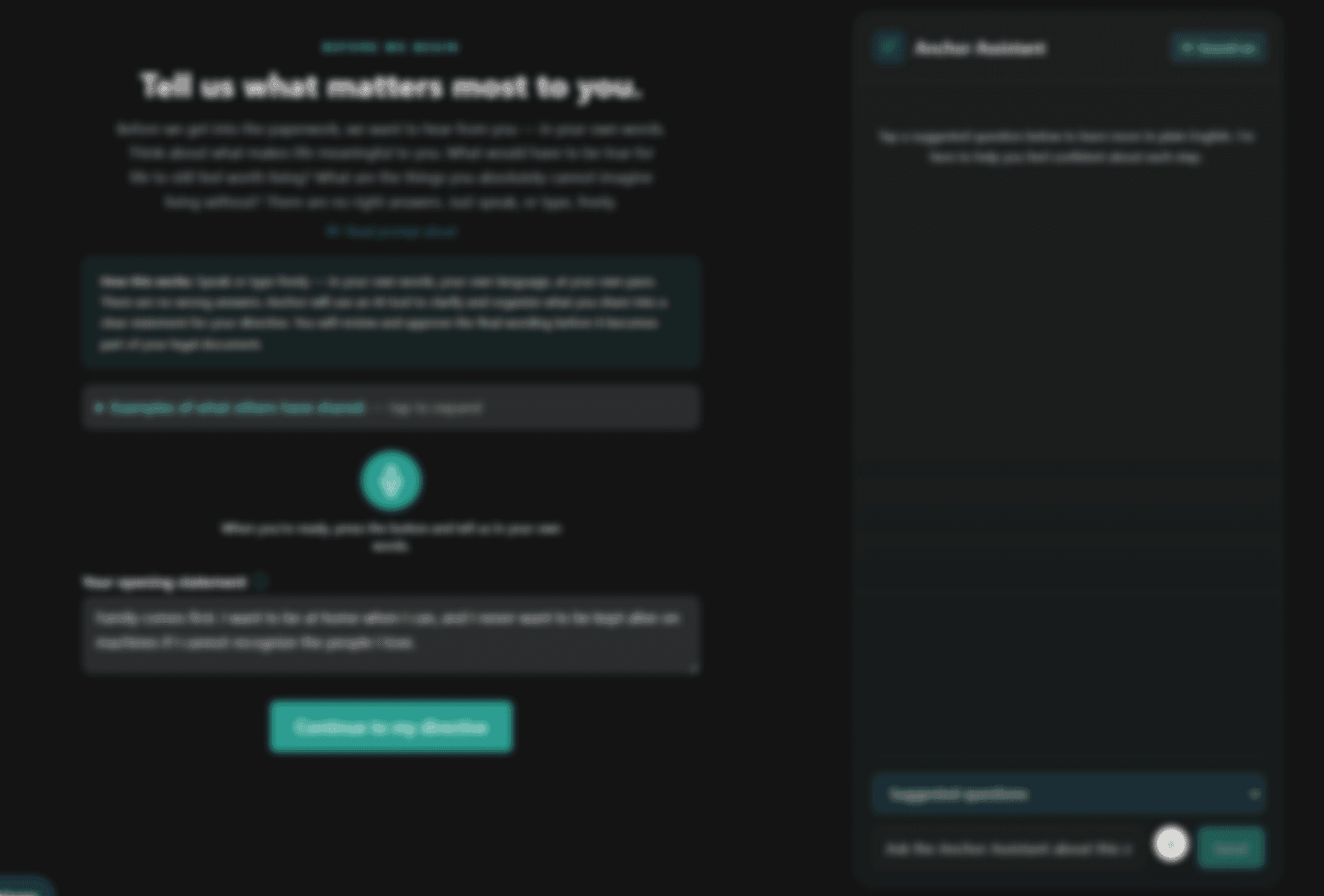
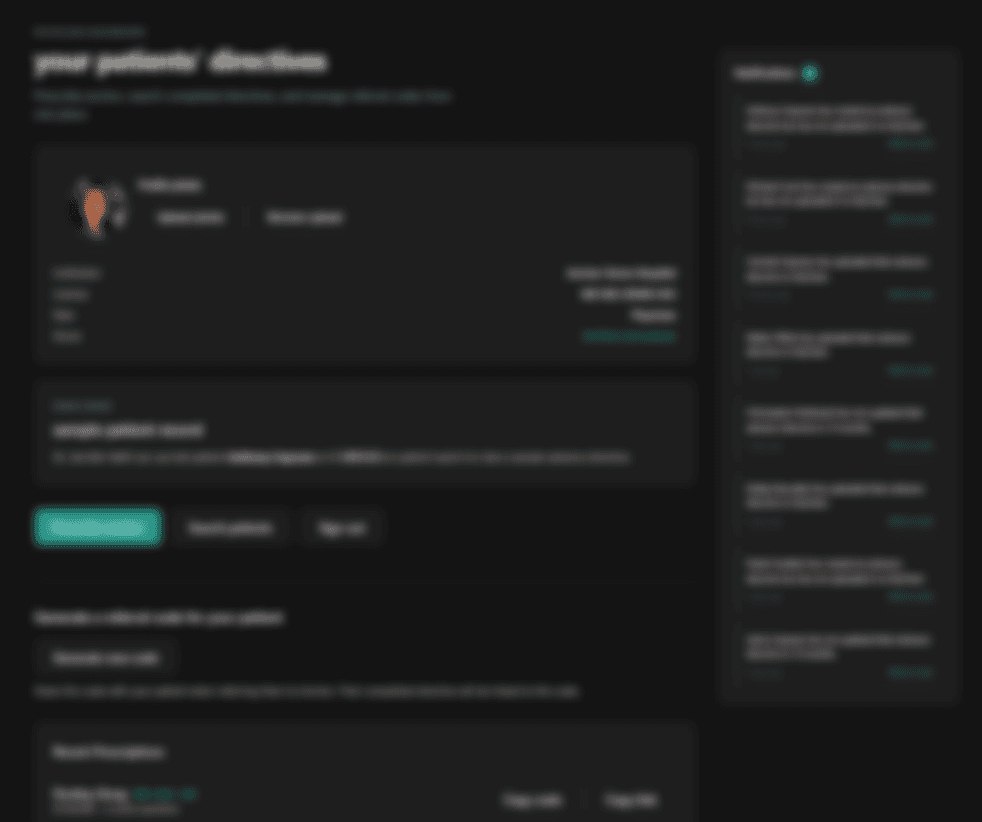
Patient directive wizard
Prototype, available under NDA
early validation
What clinicians and faculty said after reviewing the prototype.
“I really like the idea. This is something I haven't heard or seen in the literature.”
“This could get us eighty percent of the way with a lot of people.”
“Anything that encourages and further promotes adoption of these tools is very, very important.”
“I can envision a self-directed session a patient could complete on an iPad while waiting for their visit.”
who it serves
Health systems, long-term care facilities, and federally qualified health centers.
anchor meets three kinds of organizations where they already work. Each gets the same platform, pointed at the problem it feels most.
FOR HEALTH SYSTEMS
Primaryevery referred patient leaves with someone named to speak for them.
A referral takes seconds to send. What comes back is a named health care agent, the patient's wishes in their own words, and a record the next clinician can actually find.
QUALITY METRIC
A provider-driven lift in ACP completion is already a metric health systems report on, without adding to provider workload.
FOR LONG-TERM CARE
one current record, not a new form at every transfer.
Federal law already requires this conversation at admission, and Maryland requires a MOLST when a resident moves between health care facilities. anchor keeps one versioned record that travels with the resident instead of a fresh form at every move.
F-TAG F578
CMS surveyors already enforce this. A citation lands on the facility's public Care Compare record, where families and referral partners can see it.
FOR FEDERALLY QUALIFIED HEALTH CENTERS
advance care planning built for the patients you serve.
The patients least likely to have a directive, or anyone named to speak for them, are the patients FQHCs exist to serve. anchor names an agent and records the patient's own words in English or Spanish, spoken rather than written.
CPT 99497 / 99498
Reimbursed nationally under the 2026 Physician Fee Schedule, though FQHCs bill under a different, bundled system entirely.
for investors
Where anchor stands today, and what it is building toward.
Stage
- Legal entity: Anchor Advance Care LLC, Maryland
- Patent: Provisional application filed June 2026
- Prototype: Available by request
- Validation: Prototype in expert review
- Customer discovery: structured interviews with clinicians, ethicists, health law faculty, and researchers
- Program: NSF I-Corps, Mid-Atlantic Hub, completed August 2026
anchor is seeking clinical pilot partners, strategic advisors, and early investors who believe that naming a decision maker, recording what a patient actually wants, and making that record reachable at the bedside is worth solving. If that describes you, we would like to talk.
the team
A founder, with clinical and legal advisors.
Leadership
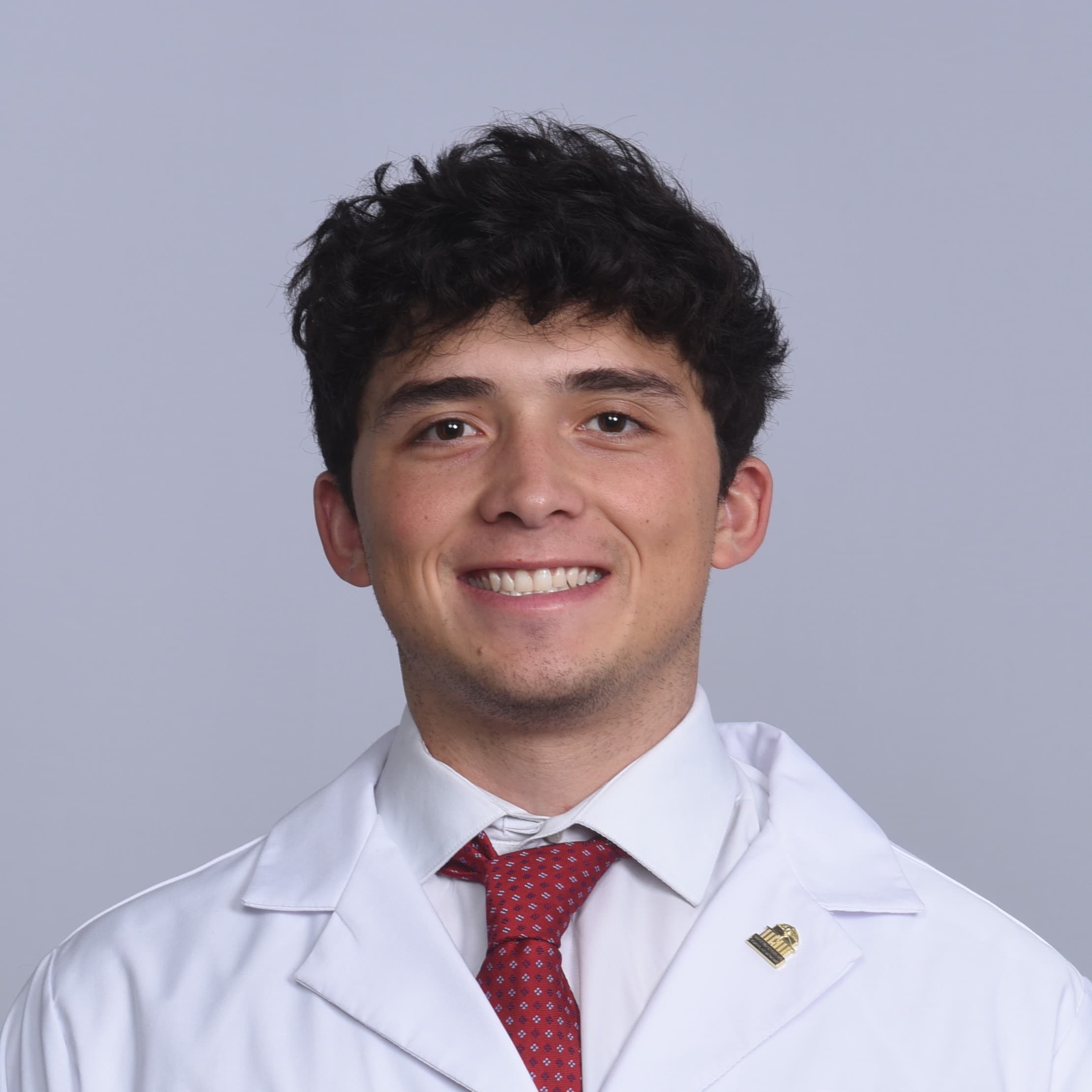
Julian Bolanos, B.S.
Founder and CEO
MD/MBA Candidate, University of Maryland School of Medicine and Robert H. Smith School of Business

Dariush Aligholizadeh
Research and Policy Lead
MD/PhD Candidate (MSTP), University of Maryland School of Medicine
Advisory board

Diane Hoffmann, JD, MS
Legal Advisor, Health Law
Jacob A. France Professor of Health Care Law, University of Maryland Francis King Carey School of Law
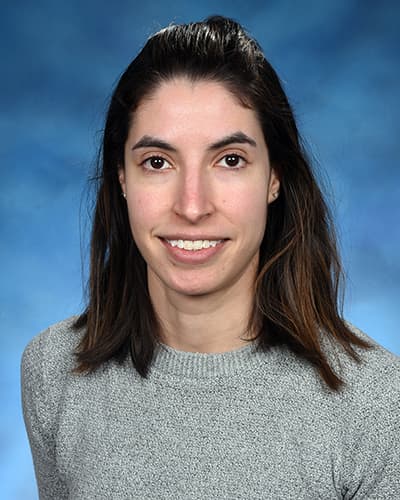
Carolina Mendoza, MD, MBA, FAAEM
Clinical Advisor, Emergency Medicine
Assistant Professor, Department of Emergency Medicine, University of Maryland School of Medicine; Assistant Medical Director, Department of Emergency Medicine, University of Maryland Midtown Campus
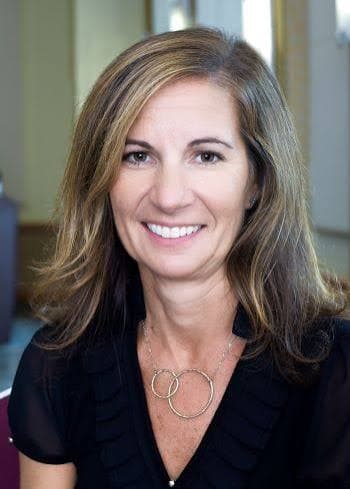
Joan Carpenter, PhD, CRNP, ACHPN, FGSA, FPCN, FAAN
Clinical Advisor, Nursing Home and Post-Acute Care
Associate Professor, University of Maryland School of Nursing; Health Scientist, Corporal Michael J. Crescenz VA Medical Center
Participant in
the crisis is the wrong time to find out what a patient wanted.
A directive completed calmly, before the crisis, protects your patients and the people asked to speak for them. Whether you are a clinician, an investor, a potential collaborator, or just curious about what we are building, reach out. We read every message.
Email us directly
contact@anchoradvance.careWe typically respond within two business days. For NDA requests, mention it in your message and we will send one over.
Fields marked * are required.